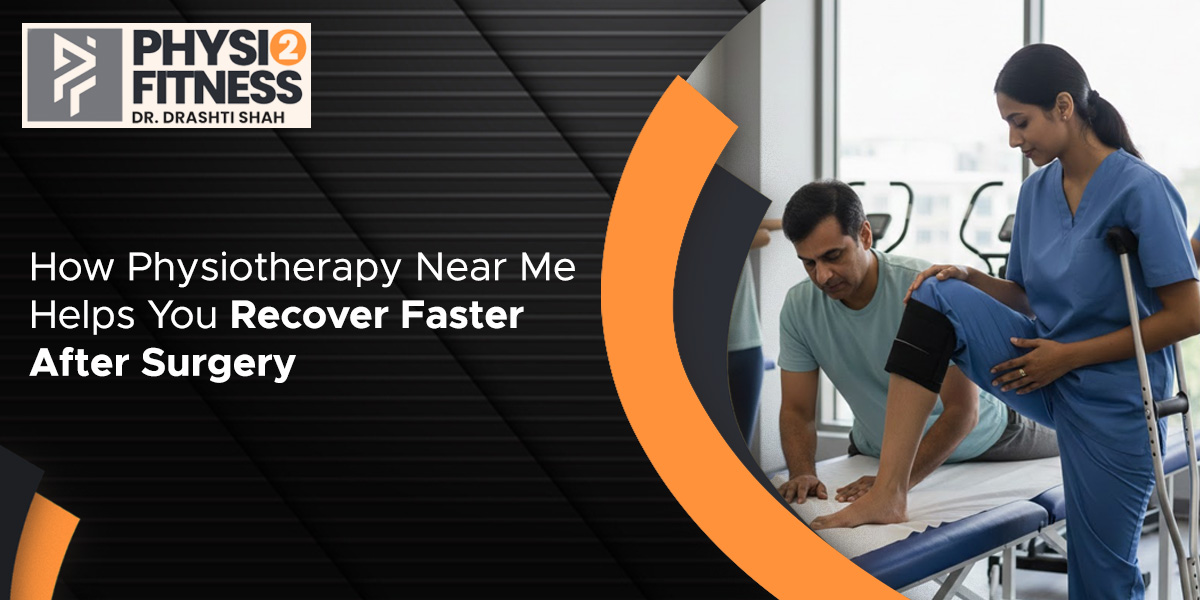
Recovering after surgery can feel slow and uncertain. Pain, stiffness, and fear often hold us back. We see this every day at Physio2Fitness, where recovery is not just physical. It is emotional too. When we search online for Physiotherapy near me we want quick help, trusted care, and real progress. Early physiotherapy supports healing, restores movement, and builds confidence. We guide recovery with clear plans, steady support, and hands-on care. Our goal is simple. We help you heal faster, move better, and feel safe at every step.
How does the body react after Surgery?
After surgery, the body enters a repair phase. Swelling, pain, and muscle weakness are normal. Joints may feel tight and unresponsive. Without guided movement, stiffness can settle in quickly. This slows recovery and raises the risk of long-term limits. We focus on gentle movement at the right time. Each exercise supports blood flow and tissue repair. At Physio2Fitness, we assess wounds, pain levels, and daily needs. This helps us plan safe steps forward. Early action reduces scar tightness and muscle loss. Delayed care often leads to longer pain cycles. The body heals best with the right push and enough rest.
Why Early Physiotherapy Speeds Healing?
Timing matters after surgery. Early physiotherapy prevents loss of strength and joint range. Muscles weaken fast when unused. Joints stiffen when movement stops. We start with controlled movements that protect healing tissue. This builds confidence and reduces fear. Pain often drops once movement improves. Cause and effect are clear here. Movement boosts blood flow. Blood flow feeds healing tissue. At Physio2Fitness, we track progress daily. Small gains add up fast. Early care often shortens recovery time. It also reduces the need for pain medicines. This leads to better sleep and mood.
Personalised Care Makes the Difference:
No two surgeries feel the same. No two bodies heal alike. That is why generic plans fail many patients. We build care plans around your surgery, age, and daily routine. At Physio2Fitness, we listen first. We watch how you move, sit, and walk. Then we adjust exercises to match your pace. This reduces strain and builds trust. When care fits your life, results improve. For example, a knee surgery patient who climbs stairs daily needs a different focus. Custom care speeds real-world recovery. It helps you return to work and family life sooner.
Managing Pain Without Fear:
Pain after surgery can create a fear of movement. Fear leads to stiffness. Stiffness leads to more pain. This cycle delays healing. We break this cycle with education and guided movement. We explain what pain is safe and what is not. At Physio2Fitness, we use hands-on therapy and calm cues. Gentle stretches ease tight tissue. Controlled strength work restores balance. As pain drops, confidence grows. Patients move more freely again. This emotional shift matters. When fear fades, recovery speeds up naturally. Trust in the process helps the body respond better.
Regaining Strength and Balance Safely:
Surgery often affects strength and balance. Muscles around the area weaken quickly. Balance may feel off, even during simple tasks. We rebuild these step by step. First comes control. Then strength. Then endurance. At Physio2Fitness, we test balance early to prevent falls. Exercises stay safe but effective. We progress only when the body is ready. Cause and effect guide each step. Strong muscles protect joints. Good balance prevents injury. This careful build-up supports faster, safer recovery. It also lowers the chance of repeat injury later.
Real-Life Recovery Examples:
We see strong results when care starts early. One patient, after shoulder surgery, struggled to lift a cup. With guided therapy, movement improved within weeks. Another patient, after spine surgery, feared bending. Gradual exposure rebuilt trust in movement. At Physio2Fitness, we see how small wins change outlook. These use cases show the power of guided care. Recovery is not just time-based. It is action-based. Doing the right things daily leads to faster results. Skipping care often delays return to normal life. Real progress needs steady guidance.
Why Local Access Matters?
Quick access to care matters after surgery. Long travel can delay sessions. Missed sessions slow progress. When care is close, consistency improves. Many people also search online for Fitness gyms near me after recovery. Physiotherapy bridges this gap safely. We prepare the body before the gym activity begins. At Physio2Fitness, being local means faster support when issues arise. Swelling, pain, or fear can be addressed early. This prevents setbacks. Local care builds routine and trust. It keeps recovery moving forward without breaks.
Emotional Support During Recovery:
Surgery affects mood as much as movement. Frustration and doubt are common. We address this openly. Clear goals reduce stress. Visible progress lifts morale. At Physio2Fitness, we celebrate small milestones. Standing longer. Walking easier. Sleeping better. These changes matter. Emotional safety helps physical healing. When patients feel heard, they try harder. This creates a positive loop. Effort brings results. Results build hope. Hope fuels recovery. Emotional care is not extra. It is essential.
Long-Term Benefits Beyond Healing:
Physiotherapy does more than heal surgery wounds. It teaches body awareness and safe movement. This protects joints long after recovery. At Physio2Fitness, we guide posture and daily habits. These changes reduce future pain. Strong muscles support active ageing. Patients often feel stronger than before surgery. This is a powerful outcome. Recovery becomes a fresh start, not just a return. Long-term thinking reduces repeat injuries. It supports a confident, active life.
Final Thoughts:
Recovery after surgery should not feel lonely or confusing. With the right support, healing becomes clear and steady. Early physiotherapy restores movement, reduces pain, and builds trust in your body again. At Physio2Fitness, we combine skill, care, and empathy to support every stage of recovery. Local access, personal plans, and emotional support make real change possible. When recovery feels guided, progress follows naturally.


