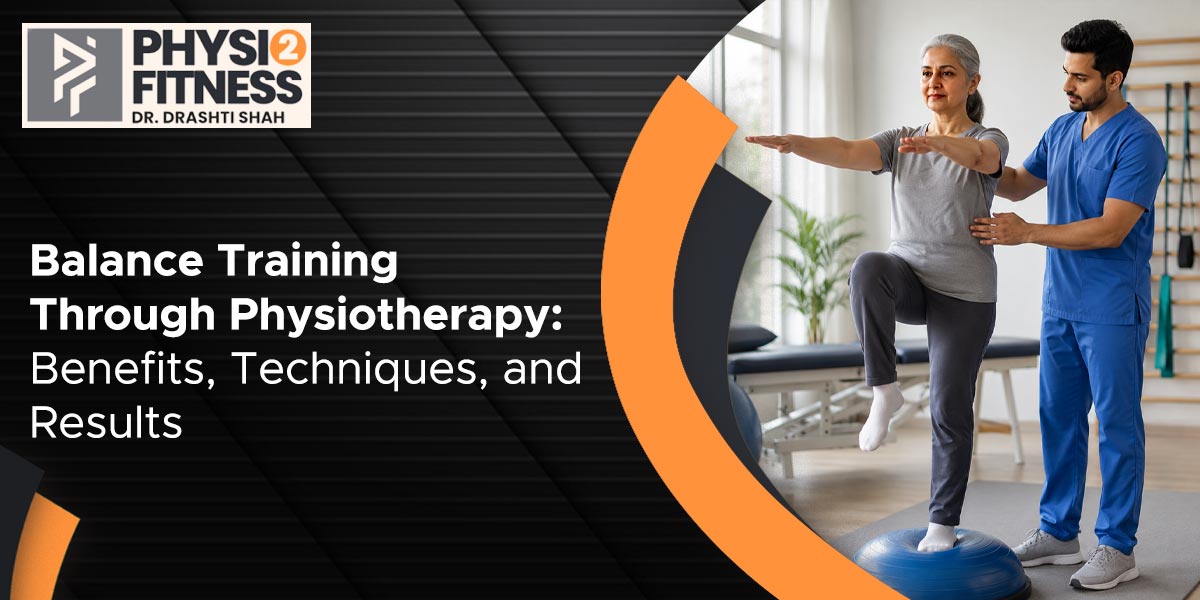
It usually starts with something small. You may feel unsteady while turning, climbing stairs, or getting out of bed. At first, it doesn’t seem serious. Yet the fear can slowly change how you walk and move. At Physio2Fitness, we understand how unsettling this can feel. With Physiotherapy for balance in Vadodara, we help you feel safer, steadier, and more confident during daily tasks.
When Feeling Unsteady Starts Affecting Daily Life
Many people tell us that poor balance makes even simple tasks feel stressful. Walking through a crowded place may feel risky. Using the bathroom at night may create fear. You may start holding walls, avoiding stairs, or asking someone to stay nearby. Physiotherapy for balance in Gujarat can address these concerns through guided movement, strength work, and safe practice.
Maybe you’ve felt this too. You plan each step before standing or turning. You may stop going outdoors because uneven ground feels unsafe. Over time, less movement can weaken the legs and reduce confidence. At Physio2Fitness, we listen to these concerns without judgement. Physiotherapy for balance in India helps us work on both movement and the fear linked with it.
Why Can Balance Become Difficult?
Balance does not depend on one body part. Our eyes, inner ears, muscles, joints, nerves, and brain work together. When one area sends unclear signals, the body may struggle to stay steady. Weak legs, joint pain, poor vision, dizziness, or some health issues can affect this system.
We’ve seen this happen often after an injury, surgery, stroke, or long period of bed rest. Age-related weakness may also play a part. Sometimes the cause is less clear. Through Physiotherapy for balance in Vadodara, we assess how you stand, walk, turn, reach, and respond to changes around you.
Common causes may include:
- Weak leg and core muscles
- Joint stiffness or ongoing pain
- Inner ear or dizziness concerns
- Poor posture and body control
- Reduced foot or ankle sensation
- Stroke, Parkinson’s disease, or nerve conditions
- Side effects from some medicines
- Fear after a fall or near-fall
A balance concern may not look the same for everyone. One person may sway while standing. Another may lose control during quick turns. At Physio2Fitness, Physiotherapy for balance in Gujarat starts with understanding your own movement pattern, health needs, and daily routine.
What Happens During a Balance Check?
You won’t be pushed into hard exercises on the first day. We begin with a calm conversation about your symptoms. We may ask when the problem began, what movements feel unsafe, and whether you’ve had a fall. This gives us a clear picture before movement tests begin.
During the check, we may observe:
- How you rise from a chair
- How long you can stand without support
- How your feet move while walking
- How you turn or change direction
- How your eyes and head work together
- How your legs respond to a small challenge
- How safely you manage steps or uneven ground
At Physio2Fitness, we use these findings to plan Physiotherapy for balance in India around your present ability. We don’t compare your progress with anyone else. We focus on what feels hard for you and what you wish to do again.
Balance Training Techniques We May Use
Balance work is not about standing on one leg without help. Good care often includes several types of movement. Each activity has a purpose, and the level changes as your control improves.
- Strength and Stability Exercises:
Strong legs support safer standing, walking, and turning. Weak hips, thighs, calves, or ankles may make the body less stable. Exercises such as supported squats, heel raises, step-ups, and chair rises can build useful strength.
Through Physiotherapy for balance in Vadodara, we choose a safe starting level. A chair, wall, rail, or therapist’s support may be used. At Physio2Fitness, we increase the challenge only when your body is ready.
- Standing Balance Practice:
We may begin with both feet placed comfortably apart. Later, we may bring the feet closer, use a heel-to-toe position, or practise brief single-leg standing. These changes help the body manage a smaller base of support.
With Physiotherapy for balance in Gujarat, we may also change the surface or reduce hand support. The aim is controlled progress, not perfect performance. A small, steady improvement often matters more than a difficult exercise completed once.
- Walking and Direction Changes:
Walking in a straight line may feel easy, while turning can still cause trouble. We practise side steps, backward steps, heel-to-toe walking, obstacle movement, and safe direction changes. These tasks reflect real situations at home and outdoors.
At Physio2Fitness, Physiotherapy for balance in India may include walking while moving the head or looking towards a target. This helps your body respond when attention and direction change together.
- Coordination and Reaction Training:
A sudden push, missed step, or moving object can disturb balance. Our body needs enough strength and speed to respond safely. Step reactions and reaching tasks can train this response in a controlled setting.
Useful activities may include:
- Reaching in different directions
- Stepping towards marked floor points
- Catching or passing a light ball
- Moving around small obstacles
- Practising safe stops and starts
- Changing pace while walking
These exercises can feel simple, yet each one trains an important skill. During Physiotherapy for balance in Vadodara, we watch movement quality closely. We adjust the task if you feel pain, dizziness, or strong fear.
- Eye, Head, and Inner-Ear Exercises:
Some balance concerns are linked with dizziness or unclear signals from the inner ear. You may feel as if the room is moving. Quick head turns may make walking harder. In such cases, general leg exercises alone may not be enough.
At Physio2Fitness, Physiotherapy for balance in Gujarat may include eye focus, gentle head movement, and gaze control tasks. These exercises need careful guidance because the wrong pace may increase discomfort.
What Results Can You Expect?
Progress can appear in small ways before you notice a major change. You may stand from a chair without grabbing nearby support. You may turn more smoothly or walk through a busy room with less worry. These moments show that your body is learning to respond with more control.
With regular Physiotherapy for balance in India, you may notice:
- Better control while standing and walking
- Stronger legs and improved posture
- Safer turns and direction changes
- Less fear during daily movement
- More trust in your body
- Better ease on stairs and uneven ground
- Greater freedom during home and social tasks
Results depend on the cause, general health, practice, and starting ability. We avoid promising a fixed recovery time. At Physio2Fitness, we review progress often and change the plan when needed.
Can Balance Exercises Be Done at Home?
Home practice often supports steady progress, but safety must come first. A movement that suits one person may not suit another. Starting alone after dizziness, repeated falls, surgery, or a nerve condition may carry risk.
Your practice area should have good light and enough clear space. Keep a firm chair, wall, or counter nearby. Avoid loose rugs and slippery floors. Wear supportive footwear and stop if you feel chest pain, severe dizziness, or unusual shortness of breath.
At Physio2Fitness, we show each home exercise clearly before asking you to practise it. We also discuss how often to exercise and when to rest. This makes home practice feel manageable, not stressful.
Rebuilding Trust in Your Body:
Poor balance does more than affect movement. It can change how safe you feel inside your own body. After one fall, even a small step may bring back fear. Family support helps, but you also need space to rebuild trust at your own pace.
We stay beside you while each movement becomes familiar again. Some days may feel easier than others, and that’s normal. Progress rarely follows a perfect line. What matters is continuing with safe support and honest feedback.
Balance training is not only about avoiding a fall. It is about returning to the parts of life you miss. You may wish to walk outdoors, visit a temple, travel, play with children, or move around your home without fear.
At Physio2Fitness, we begin with the movement that matters most to you. We build strength, control, and confidence one practical step at a time. You don’t need to hide how worried you feel. We’re here to listen, guide, and help you move forward safely.


